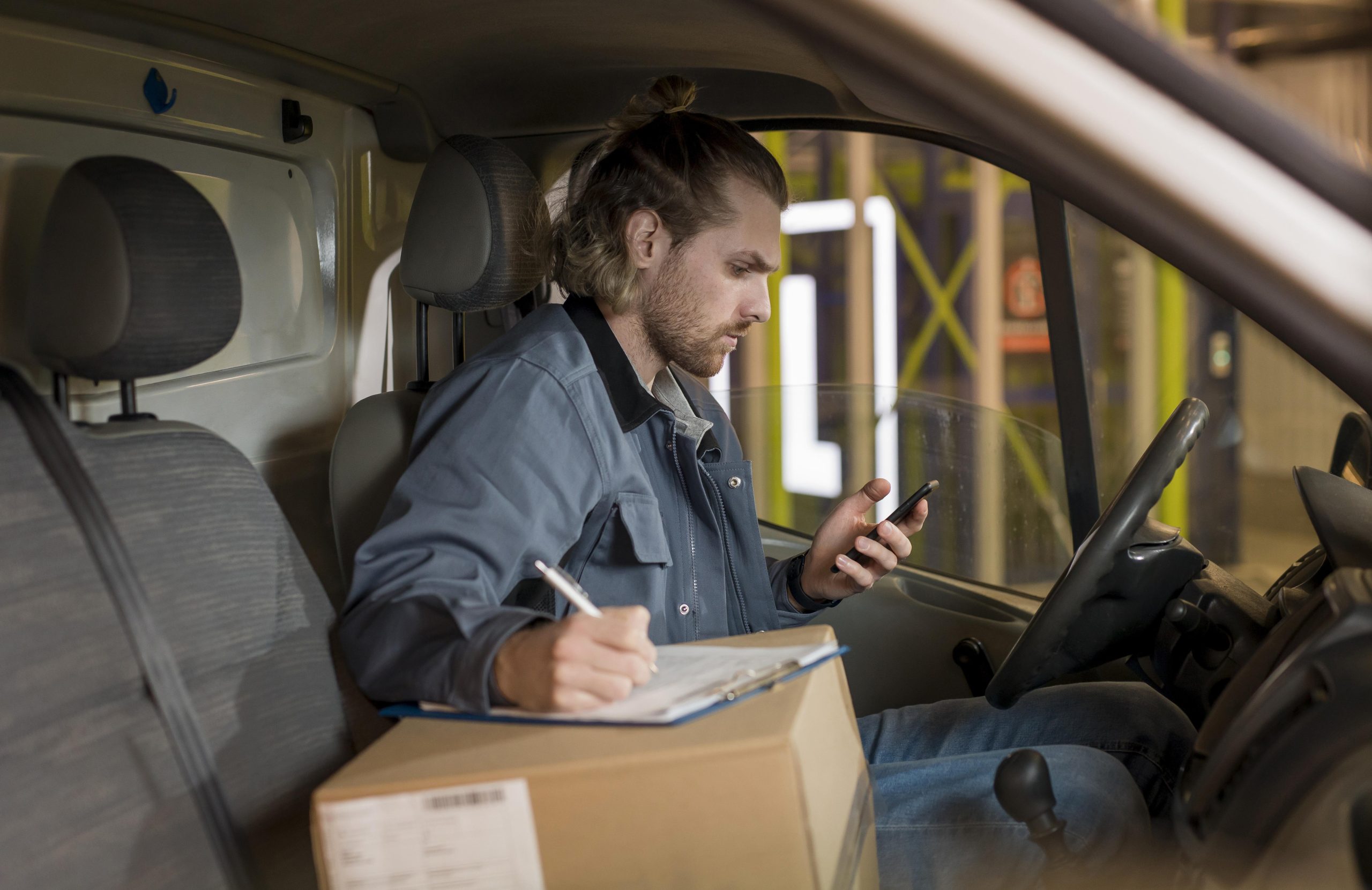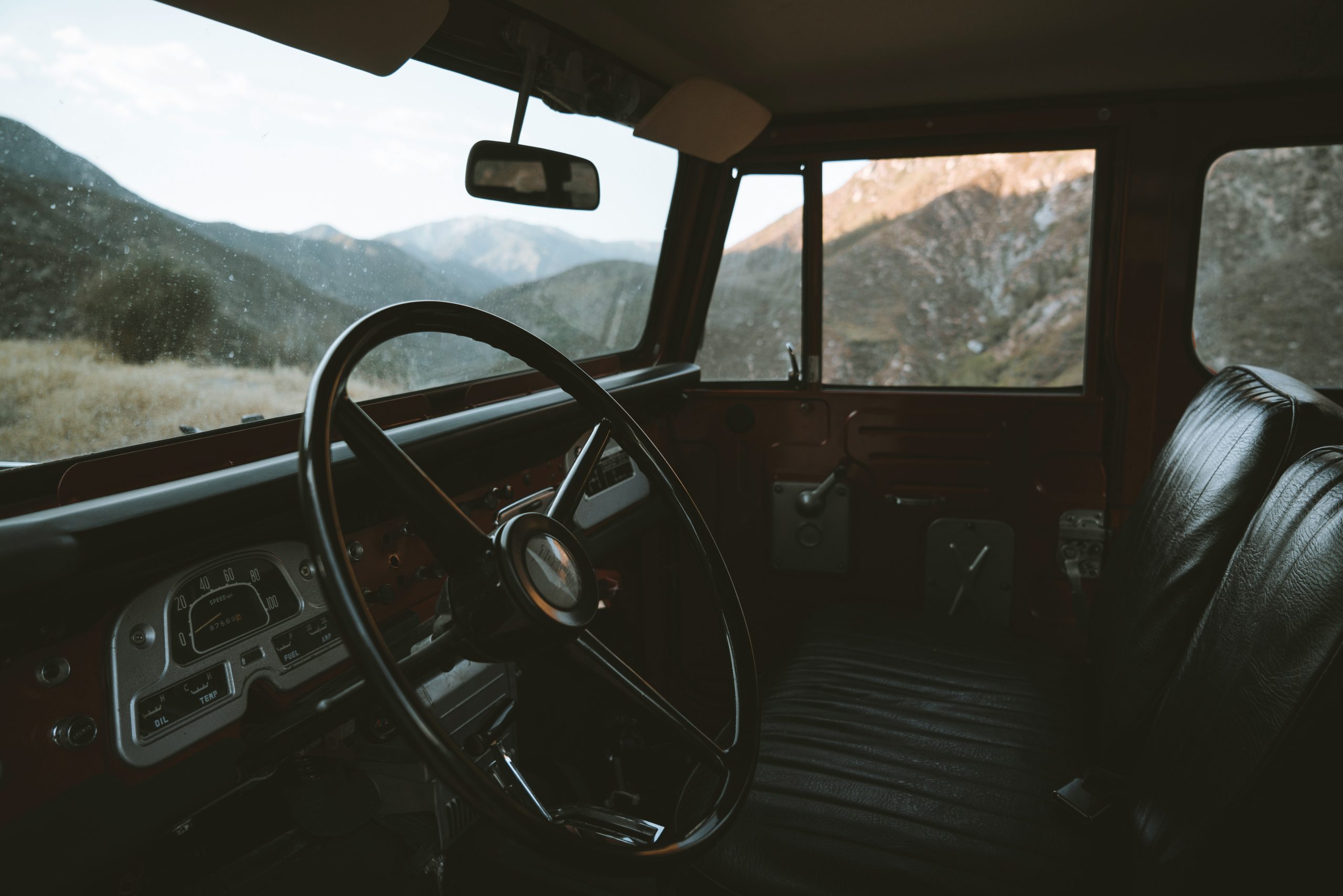
The experience of stepping up to a bigger vehicle for the first time is both exhilarating and intimidating. It will give you the advantage of being higher up, having presence, and greater capabilities than a normal car, but at the same time, the increased size will change how you view the road, measure distances, and respond to other vehicles. Once you learn the correct driving tips and have a calm and deliberate mindset about your driving, then any first-time van driver will be able to gain true road confidence and enjoy the experience of driving a big vehicle rather than fear it. The greatest thing is to develop the techniques that allow you to drive a large vehicle naturally. The information below is centred around developing real-world habits that increase your confidence in driving a big vehicle, and not overwhelm you.
Get Your Visibility Right Before You Move
Visibility is your strongest asset when driving a bigger vehicle. The wide body and higher seating position shift your natural sightlines, so your mirrors become more important than ever. Setting them up correctly does more than tick a safety box. It actively reduces stress by eliminating most blind spots and giving you full awareness of what sits behind and beside you.
Before turning the key, sit comfortably with your back against the seat and adjust your position so you can reach all controls without stretching. Once you are settled, follow a quick method for perfect mirror alignment:
Side mirrors:
- Lean your body slightly toward the mirror you are adjusting.
- Move the mirror until the side of your vehicle just disappears from view.
- Straighten yourself and confirm you can now see more of the lane next to you, not the side of the van itself.
- Repeat the process for the other side. This expanded angle covers the typical blind spot zone and is especially helpful in a larger vehicle, where wide pillars and longer frames can conceal small cars or motorbikes.
Rear-view mirror:
- Position it so the entire rear window appears centred and flat. A bigger vehicle may not have as wide a rear window, so capture as much as possible without tilting the mirror upward. Make tiny adjustments until you can look up and instantly understand what is behind you.
- Once your mirrors are set, take a moment to scan the environment. A proper setup sharpens your awareness and builds early confidence before the engine even starts.
Understand Braking Distance and Respect It
A heavier, longer vehicle responds differently when you brake. The momentum carries through for longer, which means it will take more distance to stop safely. Many new drivers underestimate this and brake at the same point they would in a sedan. The result is a heart–racing moment where the vehicle feels like it is still gliding forward when it should be slowing.
A simple way to avoid this is to adopt a longer following distance. Give yourself a solid buffer between your vehicle and the one ahead. This space acts as a breathing zone, giving you time to react and allowing the brakes to work with smoother pressure instead of sudden force.
Focus on these habits:
- Ease off the accelerator early when you anticipate slowing down.
- Apply the brakes progressively instead of sharply.
- Double your usual gap in wet weather or heavy traffic.
As your awareness increases, you will start predicting the flow of traffic earlier and adjusting your speed with more intention. Braking becomes calmer. Your control becomes clearer. The entire experience feels steadier, which is exactly what you want when learning to handle a large vehicle.
Navigate Tight Corners With Slow, Deliberate Movements
Larger vehicles need more room to turn. The longer wheelbase means your rear wheels follow a tighter path than your front wheels, making curbs feel closer than they appear. New drivers often clip corners because they underestimate this tracking difference.
A useful technique is to widen your turn slightly before steering into a corner. This gives the rear of the vehicle space to swing through without cutting too close to the inside edge. Move slowly as you do this. The slower pace gives you time to adjust without feeling rushed by the angle of the turn.
Reference points help too. Pick a mark on the road that signals the ideal moment to begin turning. In a bigger vehicle, that moment often arrives later than you expect. Practise this in a quiet area until judging corners becomes second nature.
When parking, commit to the same calm, controlled approach:
- Go slow.
- Make micro–adjustments instead of big swings.
- Watch your mirrors constantly.
- The more measured your movements, the safer and smoother your manoeuvring will feel.
Build Comfort With Parking Before Tackling Busy Areas
Parking a larger vehicle can feel overwhelming at first, but confidence comes from repetition in low–pressure environments. Head to an empty car park and practise pulling into bays, reversing out, and using your mirrors to stay centred.
If your vehicle has sensors or a rear camera, treat them as helpful support, not your only method. Relying solely on technology creates bad habits. Using both technology and traditional reversing skills gives you a balanced skill set.
Handle Weather and Unfamiliar Roads With a Calm Strategy
Driving a big vehicle in poor weather requires a more cautious mindset. High winds can sway tall vehicles more than you might expect. Rain can reduce tyre grip due to the extra weight. Unfamiliar roads present uncertain turns, slopes, and lane widths.
When conditions shift, adjust your approach instantly:
- In high winds: Keep a firm grip on the wheel and expect small nudges from the side. Stay centred in your lane and slow down to reduce sway.
- In rain: Increase your braking distance even more than usual. Larger vehicles can hydroplane if speed is too high, so maintain a gentler pace.
- On unfamiliar roads: Avoid sudden lane changes. Let your mirrors work for you and trust slow, steady movements.
Be Precise in How You Use the Pedal
Big vehicles have a heavy feeling to them and tend to elevate you above the ground, which makes you feel secure, especially with a lot of horsepower available to you. However, that same feeling of control can cause inexperienced drivers to press on the gas too hard.
Sudden changes in either acceleration or braking will create a rapid shift in the weight distribution of the vehicle, which results in less vehicle stability.
When accelerating, always do so slowly by pressing the gas pedal smoothly so that the vehicle accelerates steadily rather than quickly. When slowing down, use the brakes smoothly and well before you need to slow down so that the vehicle can coast into a lower speed naturally.
While making turns or crossing lanes, be aware that bigger vehicles tend to transfer their weight around much faster. By keeping a steady speed while making a turn, you will help maintain the balance of the vehicle.
Smoothness has nothing to do with how comfortable you are; it’s a safe way to drive and helps prevent you from having to make bad decisions.
Gain Trust Through Steady Improvement – Use Clear Visual References & Careful Movement
Reversing may be the most frightening experience you face while operating a large vehicle, given its size, height and very limited rearward view. Fortunately, reversing is probably the most easily improved skill you will encounter from day to day by simply practising repeatedly.
First, select a completely empty and large enough area (a parking lot) for your practice session. Next, create two visual references (cones or even just small buckets) to serve as “parking bay” references. Slowly reverse between those two reference points using your side mirrors to monitor your position as you move. Take small, deliberate actions; each corrective action helps teach how the rear of your vehicle responds to changes in the direction of your front wheels.
Use a Practice Area Before Driving in Heavy Traffic
You do not develop confidence overnight. It takes a great deal of time and practice to gain the necessary skills and confidence to operate a larger vehicle safely. Start by finding a large empty parking lot or open area and spend some time making slow laps around the area. Practice reversing into “parking bays.” Make large sweeping turns. Test your ability to come to a quick stop. Practice navigating through a series of small cones.
With each passing minute of practice, your body begins to learn how a larger vehicle operates, and your ability to steer the vehicle will begin to feel more stable, your decision-making process will become sharper, and your awareness will grow. At this point, entering heavy traffic flow will seem less daunting.
If you want additional structure in your learning process, consider enrolling in a short driving course designed specifically to teach drivers of larger vehicles. Courses such as this focus on improving your technique, providing you with personalised feedback and eliminating the fear associated with driving a larger vehicle. Courses such as these are particularly beneficial for individuals who plan to operate vans or trucks in their profession.
Photo by Ivan Benets on Unsplash
Build Confidence One Intentional Action at a Time
Driving a larger vehicle is not about being perfect, but rather developing awareness, preparation and consistent improvement. When you properly set up your mirrors, maintain the correct stopping distances, and intentionally navigate curves, you establish the foundation for safe driving. When you adjust your driving for the conditions of the road, control your speed and practice reversing with visible references, you convert that foundation into actual road confidence.